Collaboration
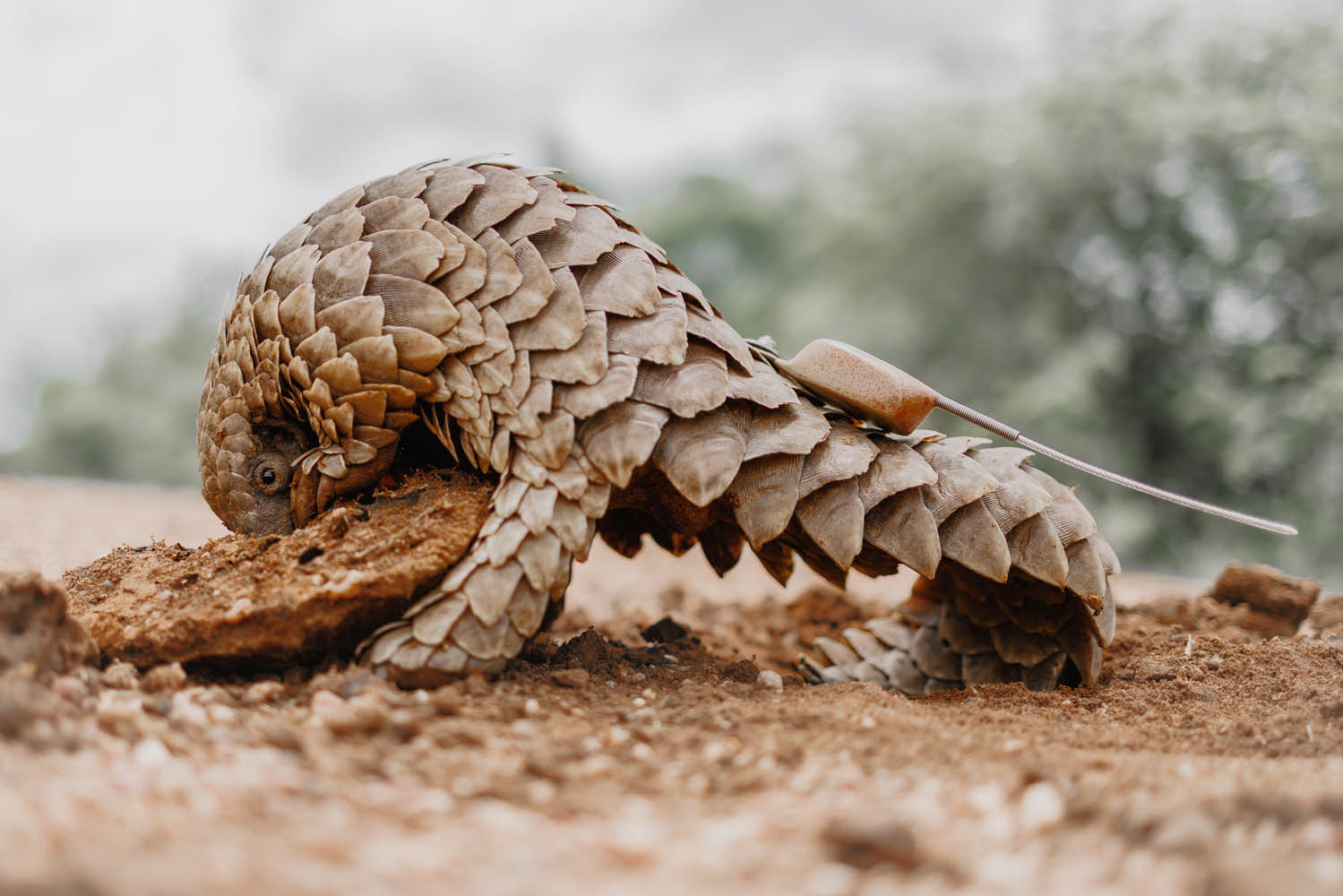
Collaboration is a foundational principle of the APWG, where partnerships with ethical, like-minded organisations contribute to a collective force against extinction.
Work Across Africa
Since its inception, APWG has been dedicated to the generation of knowledge and best practices to support pangolin conservation in South Africa. Now, APWG is focused on sharing our expertise across Africa – wherever pangolins occur – to raise standards of care, train professionals to improve seizure rates, educate the youth, create standard operating procedures, outline guiding principles of law enforcement, and facilitate transboundary co-operation.
One of the APWG’s core objectives is to offer our personal and organisational expertise to conservation associates in pangolin range states across Africa.
Southern Africa collaborations
KZN PANGOLIN REINTRODUCTION PROGRAM
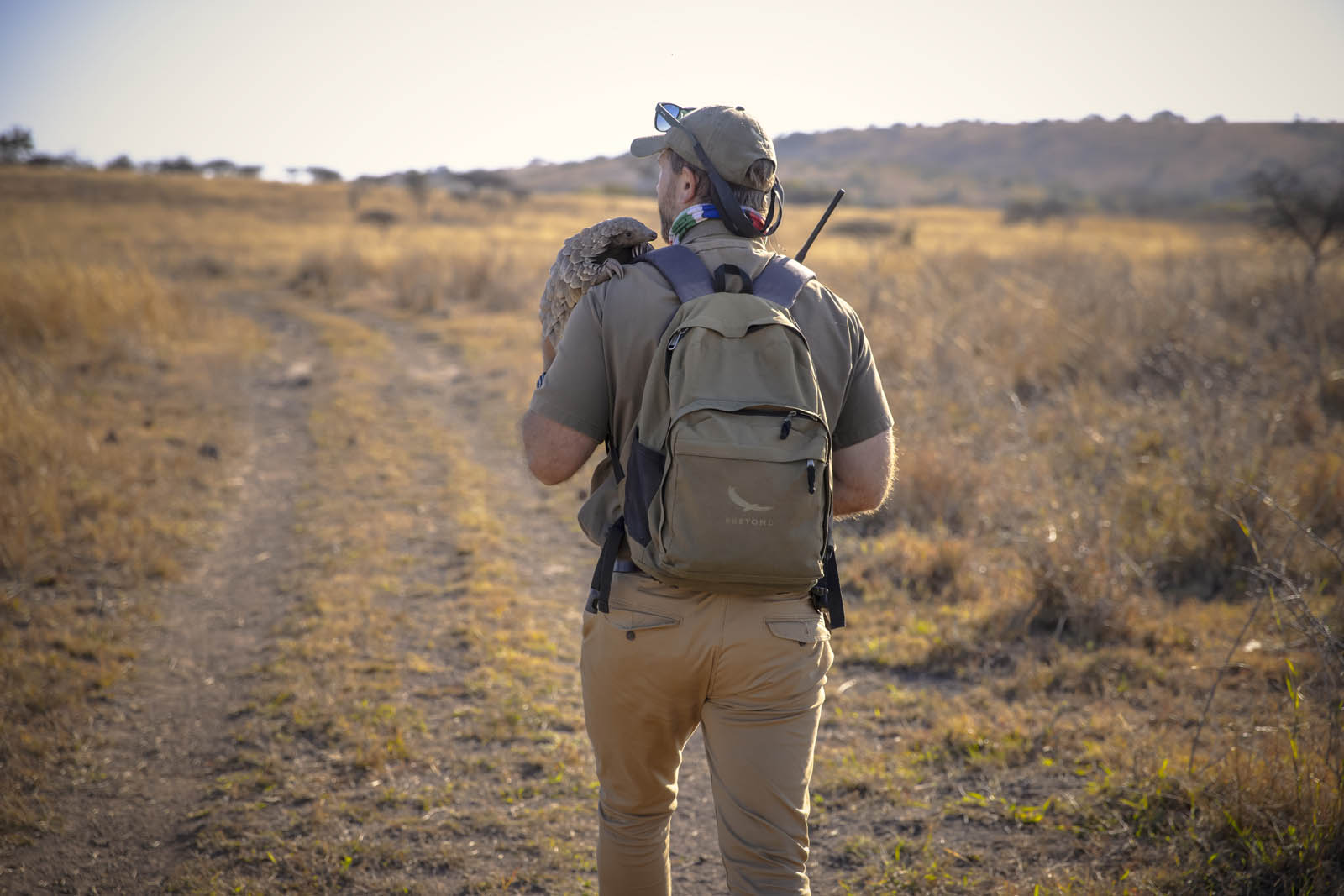
We work alongside game reserves throughout pangolin ranges to ensure that pangolin reintroductions are well supported and as successful as possible. Included in this is the well-documented, and successful reintroduction of Temminck’s pangolins into Kwa-Zulu Natal where they have been ecologically extinct for decades. This groundbreaking work ensures a viable population in the region with a diverse selection of individuals. Multiple births of pangolin pups from released pangolins that have mated in the wild in Zululand, is proof of this notable achievement in the conservation of Temminck’s pangolins in South Africa. The programme can serve as a blue-print for pangolin re-introduction into other regions where species may be locally extinct. – this is part of an ongoing study conducted by PhD candidate Jessie Berndt
FORMULATION OF THE SoP
The APWG are contributors to the formulation of the Standard Operating Procedure for Temminck’s Pangolin alongside The Department of Forestry, Fisheries and Environment (DFFE), the Environmental Management Inspectorate and other stakeholders.
SOUTHERN AFRICA REGIONAL PANGOLION CONSERVATION ACTION PLAN
The APWG participated in and contributed funding to the ‘Southern African Regional Pangolin Conservation Action Plan (SARPCAP) for white-bellied and Temminck’s pangolins’ workshop, organised by the IUCN Pangolin Specialist Group. Here, we contributed to the completion of Southern African Pangolin Issue Statements, and we will continue to assist in bringing this action plan to completion.

PAN-AFRICAN COLLABORATION
The APWG are members of a pan-African collaboration of conservationists who are committed to pangolin conservation. The group provides support, advice and introductions to individuals and organisations in places where pangolin conservation is not well-established. Spreading knowledge and our understanding – gained from years of hands on experience – is a key aspect of this organisation’s ongoing commitment to pangolins.
West Africa
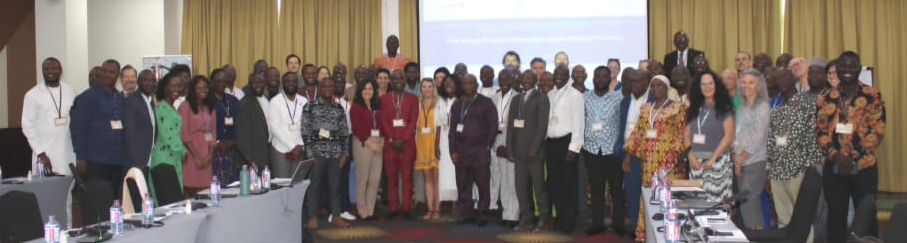
In 2023, a West African Pangolin Conservation Strategy Workshop was held in Accra, Ghana and since then, the APWG has been working alongside the West African role players to forge further project development in the conservation of pangolin in the western Africa region.
East Africa
In October 2024, the ‘National Recovery and Action Plan for Pangolins in Kenya’ was launched. The APWG was an active contributor to this document and will add value with the practical implementation of the action plan into the Kenyan wildlife landscape.
Working with Law Enforcement
The APWG has observed South African pangolin poaching increase from 2007 onwards. At the same time, the illegal trade in pangolin scales escalated and a confiscation in 2018 of 55 tons of African pangolin scales, by Asian customs officials, was more proof that the species was in serious trouble. This constituted anything between 14 000 and 20 000 pangolins worth of scales.
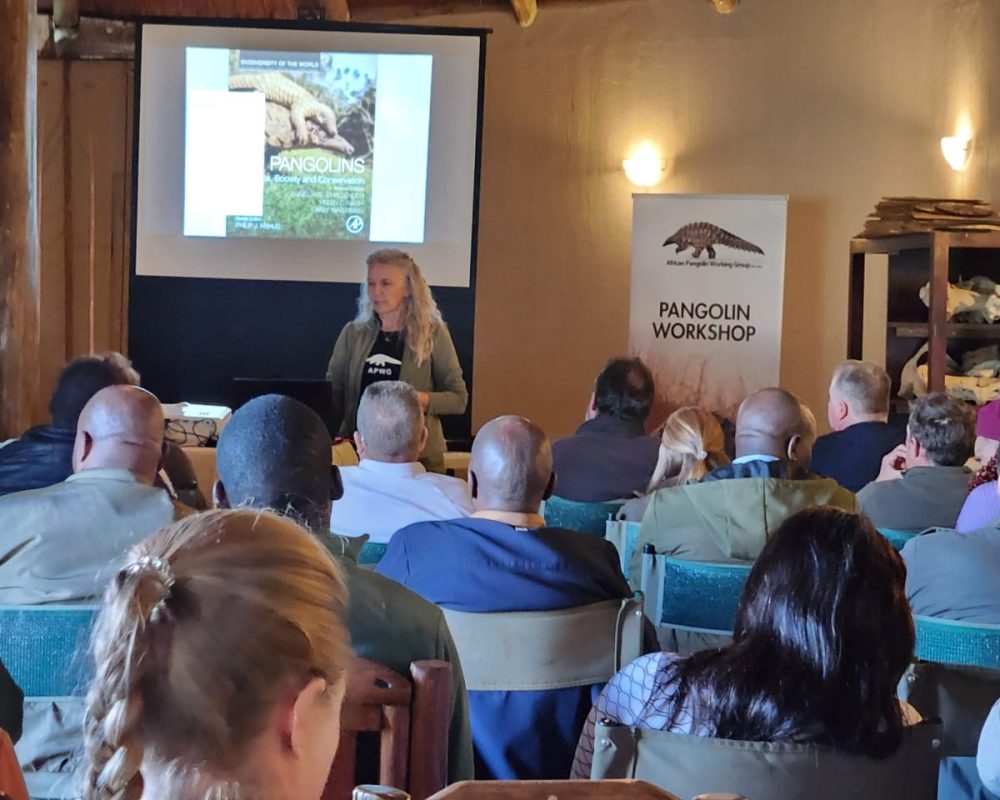
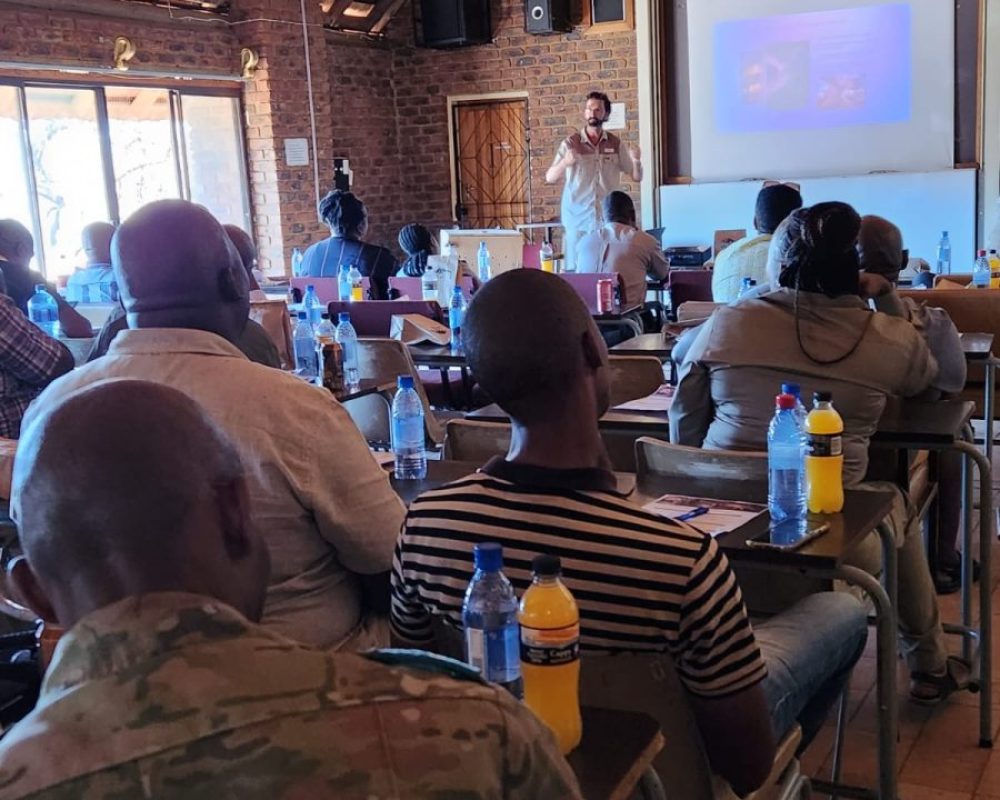
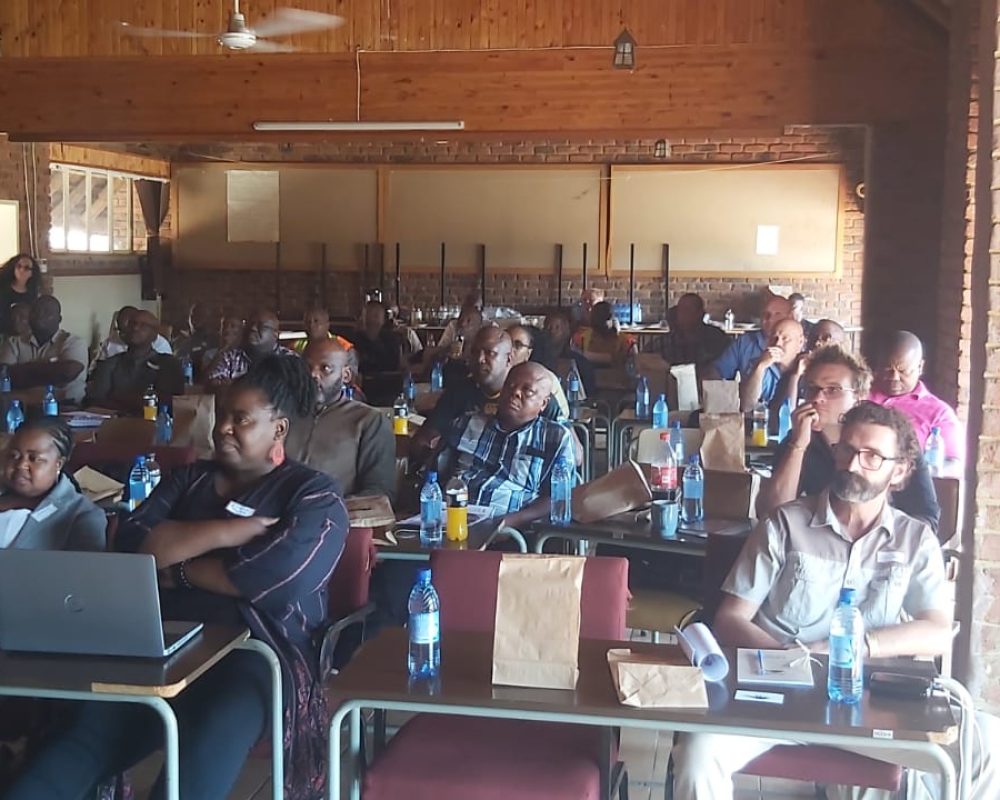
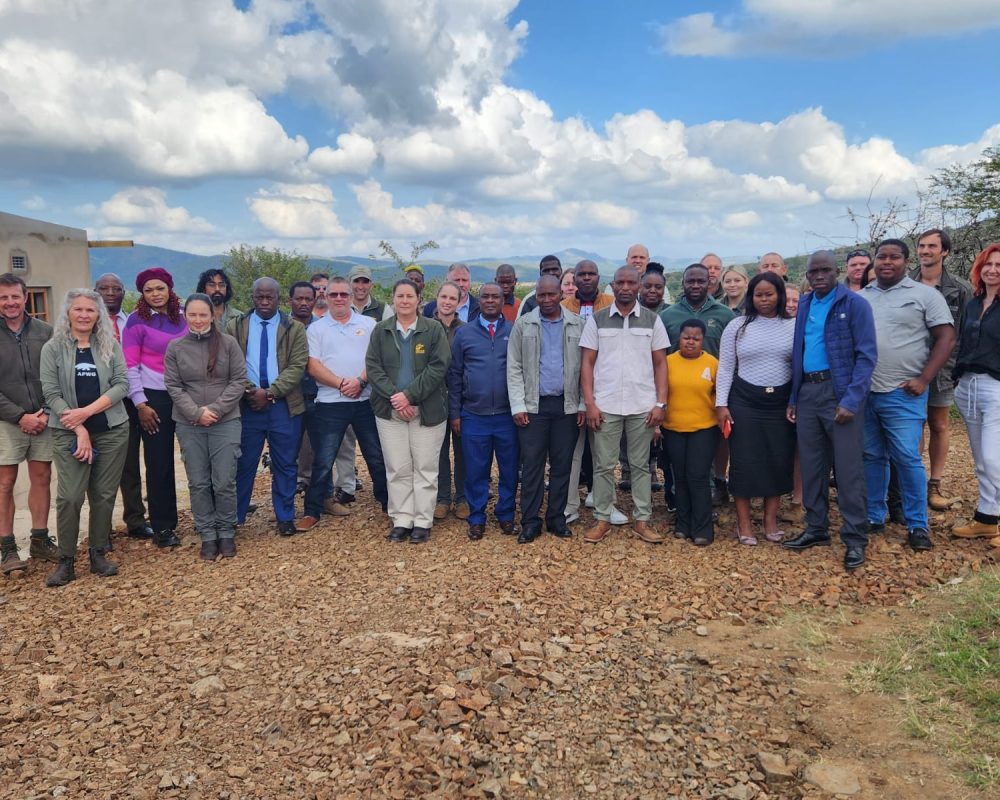
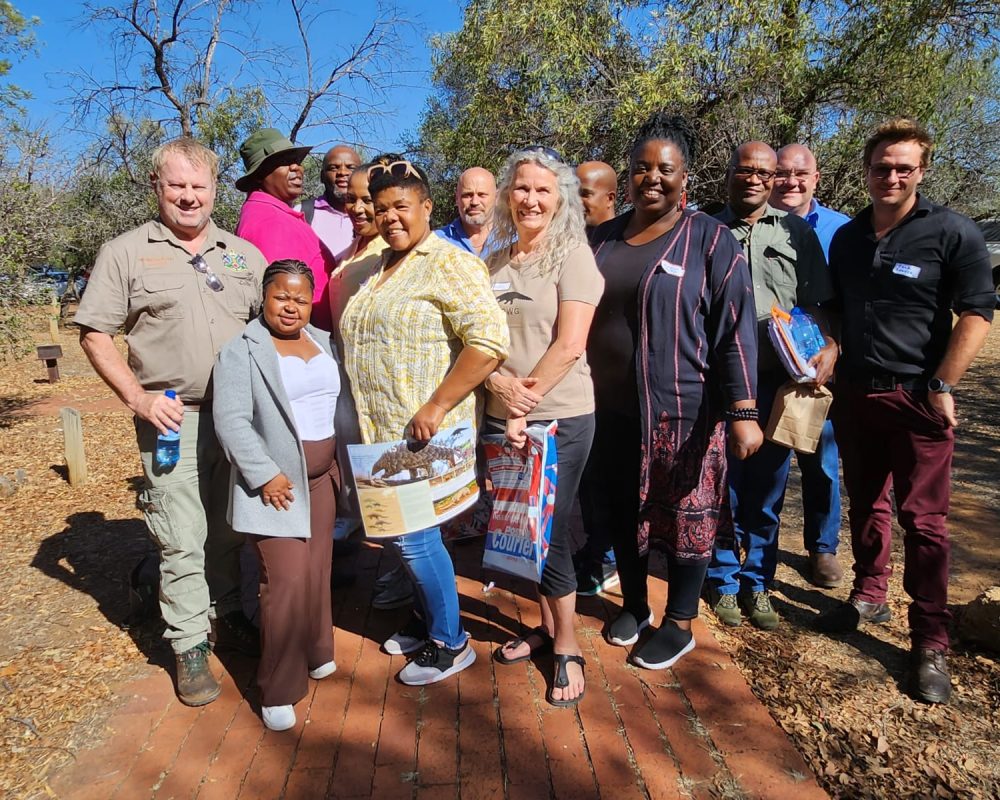
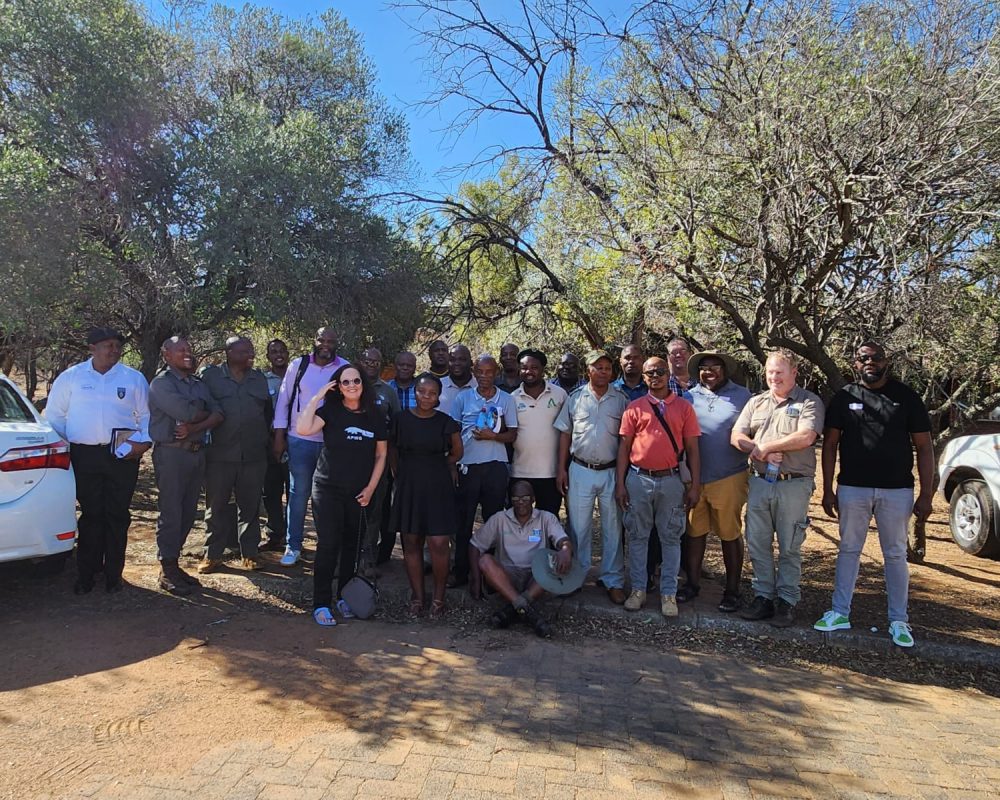
The protection of pangolins requires an active collaboration with law enforcement in raising awareness as well as active representation in court proceedings. Creating affidavits, providing evidence and giving testimony during court proceedings is vital to ensure stronger sentences continue to be handed down to illegal wildlife traffickers.
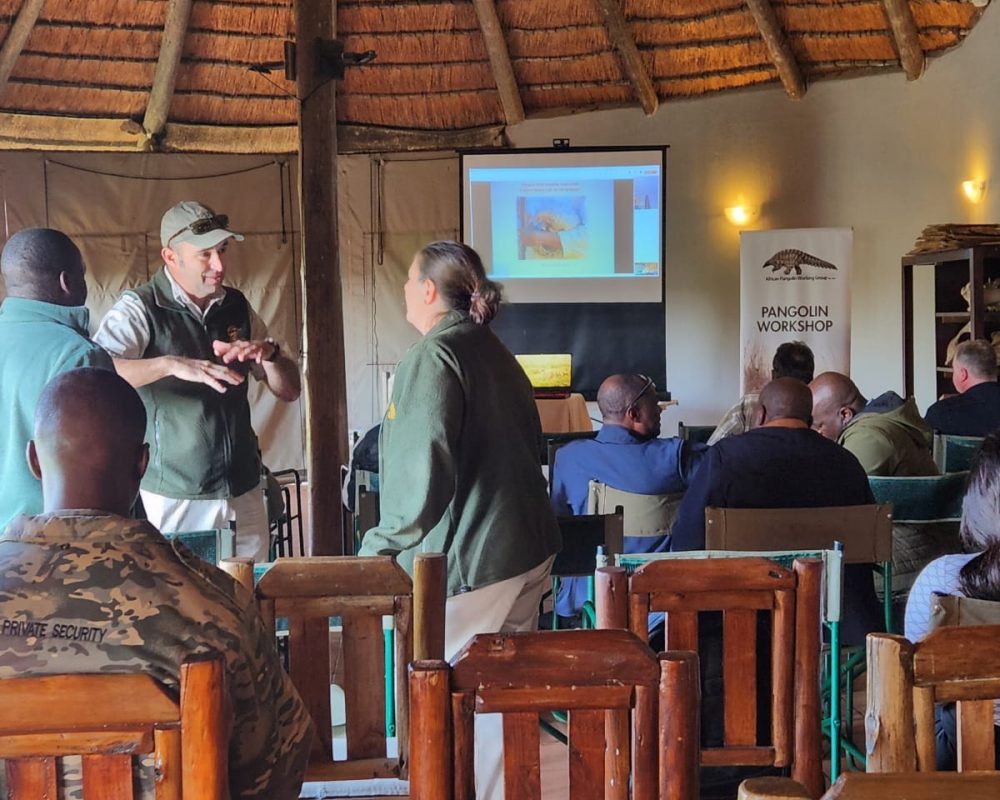
We present our custom designed courses and workshops across South Africa to: the South African Police Services (SAPS), the Directorate for Priority Crime Investigation (DPCI) (Hawks) anti-poaching units (APU’s), Stock Theft and Endangered Species Units, Department of Environmental Affairs, Environmental Management Inspectors (EMI’s aka Green Scorpions), provincial and national judiciary (prosecutors and magistrates) and the South African Revenue Service’s ports and border authorities (SARS) .
Historically, the APWG was the first NGO to liaise with law enforcement, provide evidence, affidavits and statements to populate court dockets. With the increasing successes of law enforcement agencies retrieving pangolins off the illegal trade, the efficiency of the associated court cases has also improved.
The APWG was also the first South African NGO to appear in court proceedings to provide testimony and evidence in aggravation of sentencing of pangolin poachers. Prior to 2017, a person trading in pangolins had yet to be sentenced to a jail term in South Africa. However, in January 2017, a Zimbabwe national was sentenced to a term of seven years following our testimony; setting a landmark precedent for pangolin poaching in South Africa. The APWG also witnessed the first 10 year maximum sentence handed down in Pretoria Magistrate’s Court on 19 May 2021.
Our Collaborators