Travelling to the DRC
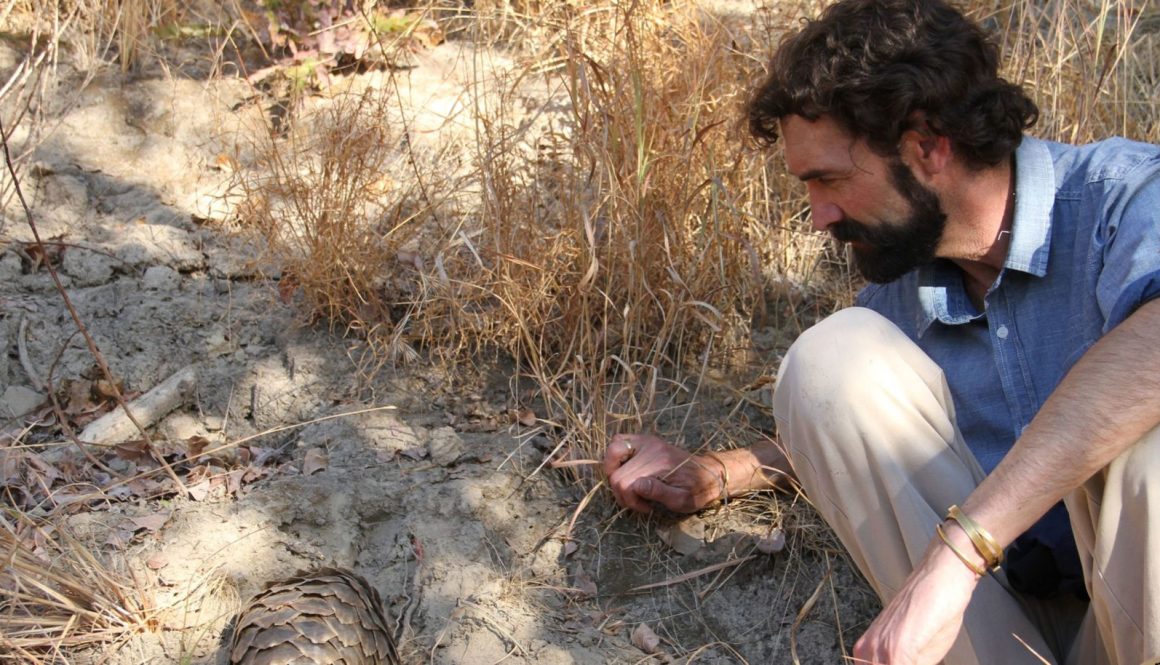
The Democratic Republic of Congo is Africa’s second largest country covering 2 345 million square kilometres. With its tropical rain forests and tropical savannahs, it is considered the most biodiverse country in Africa. While most conservation efforts in the country have been focussed on the endemic great ape species, there is a growing concern for pangolins due to the illegal wildlife trade. The DRC is home to three of the four African pangolin species: giant pangolins, white-bellied pangolins and black-bellied pangolins.
Since its inception, the African Pangolin Working Group has forged relationships with local stakeholders on the ground in several locations across the country, and our rehabilitation experts have advised, supported and funded pangolin rescues. Most of them have been behind the scenes operations, with the occasional rescue story too eventful not to share.
Why travel to the DRC?
When Dr Kelsey Skinner joined the team this year, she arrived fresh from two years working within Vietnam, a global pangolin trade hotspot. Her work focused on capacity building for pangolin rescue and rehabilitation, guiding multiple local and other continental conservation groups on best practice protocols. Imparting her knowledge of the very specific needs of traumatised pangolins and finding practical ways to achieve this goal, left a legacy that will continue to grow.
Recent high numbers of remote rescues have put the team further in touch with conservationists and vets in Kolwezi, Kinshasha, and As a result, Dr Kelsey and co-chair Nicci Wright are planning a two week trip to the DRC to meet up with these contacts and gain a deeper understanding of the conservation challenges they face, and investigate ways to provide support in partnership, working from a well-rounded and effective background of pangolin conservation model knowledge in South Africa and Vietnam
We will report back and let you know how YOU can help with this work in the near future.
“One individual cannot possibly make a difference, alone. It is individual efforts, collectively, that makes a noticeable difference – all the difference in the world!” Jane Goodall